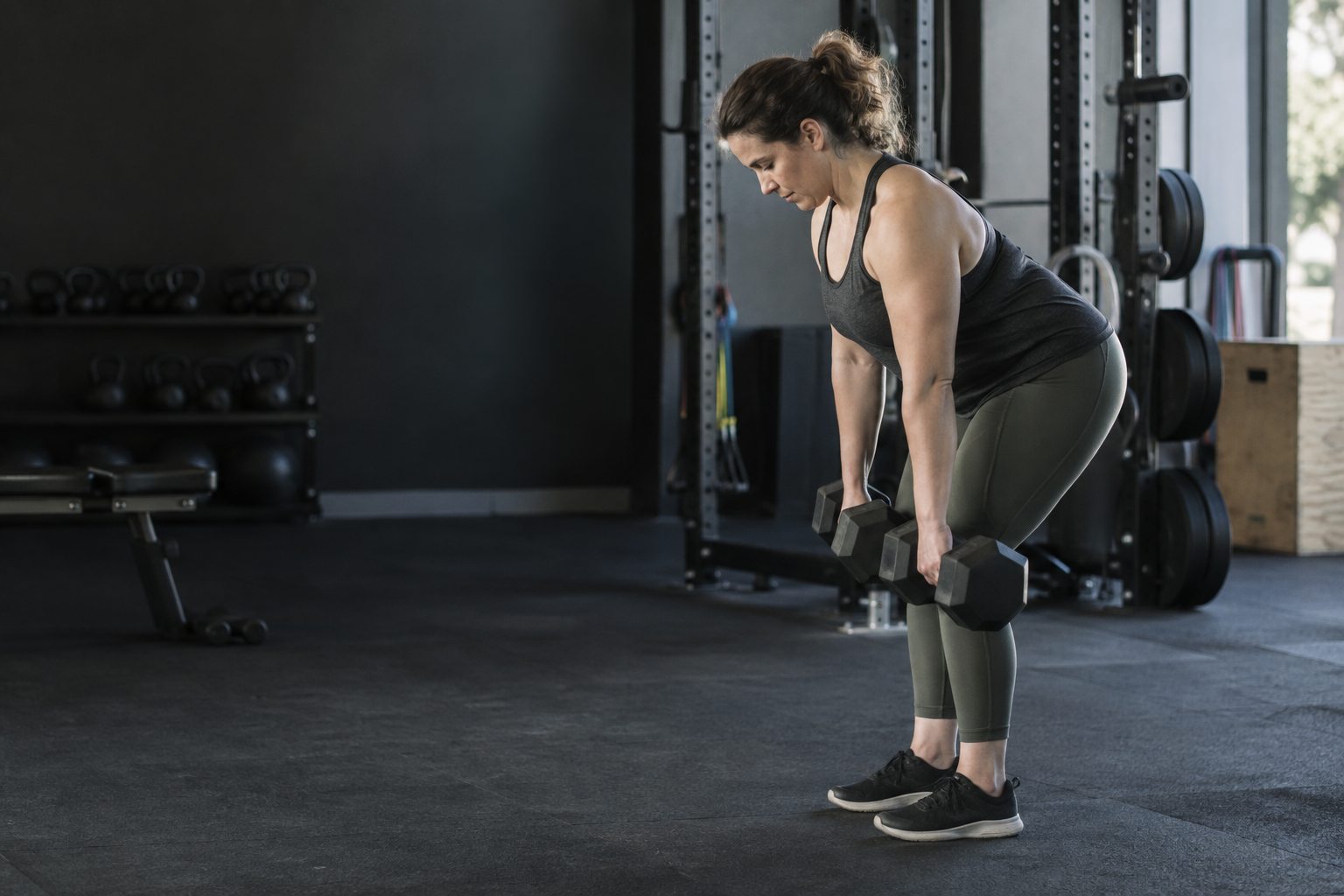
Combine curls, hinges, and useful unilateral work across a recoverable week
Train Both Major Hamstring Functions
A program built only around hinges misses direct knee flexion, while curls alone miss the role of the hamstrings at the hip. Include both over the training week.
For a practical session, treat this as one part of the complete program. Hamstring training should address both bending the knee and extending the hip without turning range of motion into a contest. Use a manageable load, stop any movement that causes sharp pain, and seek qualified guidance when technique or discomfort is uncertain.
Use a Curl Variation
Seated, lying, and standing curls all train knee flexion with different setups. Choose one that is available, comfortable, and easy to track.
Record the variation, setup, repetitions, resistance, and one useful technique note. On the next session, compare like with like before adding volume or changing exercises. FitForgeFlow can keep that plan visible so training time is spent performing rather than repeatedly rebuilding the workout.
Use a Hinge Variation
Romanian deadlifts, supported single-leg hinges, and other hip-extension movements can fill this role. Select one that matches current skill and fatigue tolerance.
For a practical session, treat this as one part of the complete program. Hamstring training should address both bending the knee and extending the hip without turning range of motion into a contest. Use a manageable load, stop any movement that causes sharp pain, and seek qualified guidance when technique or discomfort is uncertain.
Add Single-Leg Work When Useful
Unilateral work can develop control and reveal setup differences, but balance should not prevent the hamstrings from doing meaningful work. Use support where appropriate.
Record the variation, setup, repetitions, resistance, and one useful technique note. On the next session, compare like with like before adding volume or changing exercises. FitForgeFlow can keep that plan visible so training time is spent performing rather than repeatedly rebuilding the workout.
Do Not Turn Every Set Into a Stretch Contest
Use a range that preserves control. Reaching farther is not progress when the pelvis and spine change position to manufacture depth.
For a practical session, treat this as one part of the complete program. Hamstring training should address both bending the knee and extending the hip without turning range of motion into a contest. Use a manageable load, stop any movement that causes sharp pain, and seek qualified guidance when technique or discomfort is uncertain.
Control the Eccentric
Lower each repetition deliberately, but do not make every set excessively slow. Use a repeatable tempo that supports technique and progression.
Record the variation, setup, repetitions, resistance, and one useful technique note. On the next session, compare like with like before adding volume or changing exercises. FitForgeFlow can keep that plan visible so training time is spent performing rather than repeatedly rebuilding the workout.
Track Load and Reps
Compare the same movement and setup over time. Add repetitions within a target range before making a small, manageable load increase.
For a practical session, treat this as one part of the complete program. Hamstring training should address both bending the knee and extending the hip without turning range of motion into a contest. Use a manageable load, stop any movement that causes sharp pain, and seek qualified guidance when technique or discomfort is uncertain.
Watch Weekly Leg Volume
Squats, lunges, glute work, running, and sport practice can all affect hamstring recovery. Count the entire week before adding more direct sets.
Record the variation, setup, repetitions, resistance, and one useful technique note. On the next session, compare like with like before adding volume or changing exercises. FitForgeFlow can keep that plan visible so training time is spent performing rather than repeatedly rebuilding the workout.
Recover Before Adding More
Declining performance, persistent fatigue, or technique breakdown may indicate that the plan needs spacing or reduced redundancy rather than another exercise.
For a practical session, treat this as one part of the complete program. Hamstring training should address both bending the knee and extending the hip without turning range of motion into a contest. Use a manageable load, stop any movement that causes sharp pain, and seek qualified guidance when technique or discomfort is uncertain.
Keep the Routine Repeatable
A curl, a hinge, and optional unilateral work provide a clear foundation. Repeat, measure, and adjust one variable when evidence gives you a reason.
Record the variation, setup, repetitions, resistance, and one useful technique note. On the next session, compare like with like before adding volume or changing exercises. FitForgeFlow can keep that plan visible so training time is spent performing rather than repeatedly rebuilding the workout.