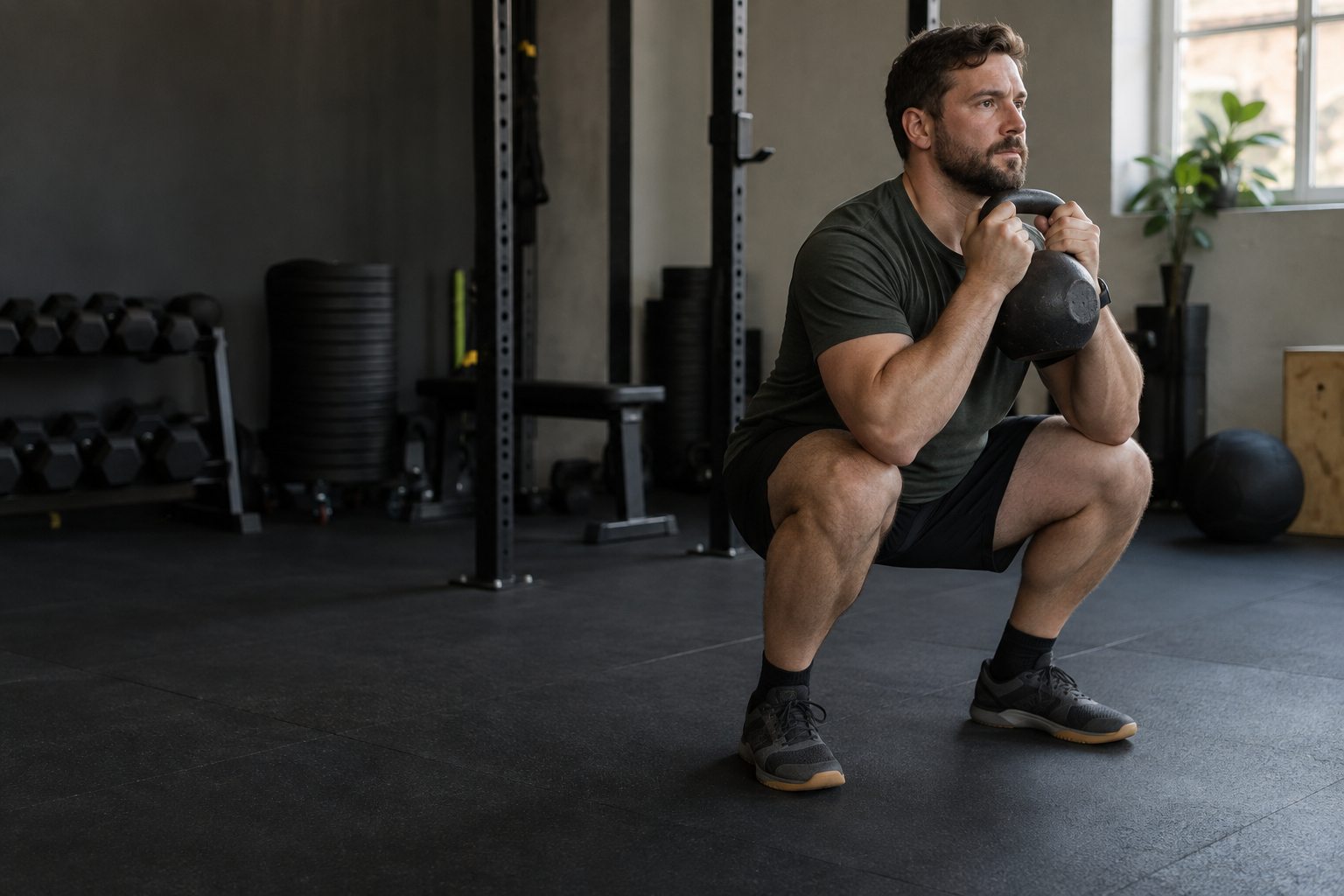
Train knee flexion and hip hinging with a clear, manageable routine
What the Hamstrings Do
The hamstrings help bend the knee and extend the hip. That is why a balanced beginner session usually contains both a curl pattern and a hinge pattern.
For a practical session, treat this as one part of the complete program. Hamstring training should address both bending the knee and extending the hip without turning range of motion into a contest. Use a manageable load, stop any movement that causes sharp pain, and seek qualified guidance when technique or discomfort is uncertain.
Two Main Ways to Train Them
Leg curls challenge knee flexion. Romanian deadlifts and related hinges challenge the hamstrings as the hips move backward and forward under control.
Record the variation, setup, repetitions, resistance, and one useful technique note. On the next session, compare like with like before adding volume or changing exercises. FitForgeFlow can keep that plan visible so training time is spent performing rather than repeatedly rebuilding the workout.
Start With a Leg Curl
A seated or lying curl provides a stable introduction. Adjust the pads carefully, use a comfortable range, and avoid lifting the hips or slamming the stack.
For a practical session, treat this as one part of the complete program. Hamstring training should address both bending the knee and extending the hip without turning range of motion into a contest. Use a manageable load, stop any movement that causes sharp pain, and seek qualified guidance when technique or discomfort is uncertain.
Learn a Controlled Hip Hinge
Practice sending the hips backward while keeping the weight close and the spine controlled. Begin with a dowel, light dumbbells, or another qualified progression.
Record the variation, setup, repetitions, resistance, and one useful technique note. On the next session, compare like with like before adding volume or changing exercises. FitForgeFlow can keep that plan visible so training time is spent performing rather than repeatedly rebuilding the workout.
A Simple Beginner Hamstring Workout
One example is seated or lying leg curls for three sets, Romanian deadlifts for three sets, and a supported single-leg hinge for two sets per side. A bridge may fit as optional hip-extension accessory work.
For a practical session, treat this as one part of the complete program. Hamstring training should address both bending the knee and extending the hip without turning range of motion into a contest. Use a manageable load, stop any movement that causes sharp pain, and seek qualified guidance when technique or discomfort is uncertain.
How Heavy Should You Go?
Use a load that allows a controlled lowering phase and stable position. Leave several good repetitions available while learning the movement.
Record the variation, setup, repetitions, resistance, and one useful technique note. On the next session, compare like with like before adding volume or changing exercises. FitForgeFlow can keep that plan visible so training time is spent performing rather than repeatedly rebuilding the workout.
Slow the Lowering Phase
Lower the curl or hinge deliberately instead of letting resistance pull you back. A smooth eccentric provides useful control without exaggerating the stretch.
For a practical session, treat this as one part of the complete program. Hamstring training should address both bending the knee and extending the hip without turning range of motion into a contest. Use a manageable load, stop any movement that causes sharp pain, and seek qualified guidance when technique or discomfort is uncertain.
What If You Feel Your Lower Back More?
Reduce the load and range, review the hinge, or use a more stable variation. Stop sharp pain and seek qualified guidance rather than pushing through it.
Record the variation, setup, repetitions, resistance, and one useful technique note. On the next session, compare like with like before adding volume or changing exercises. FitForgeFlow can keep that plan visible so training time is spent performing rather than repeatedly rebuilding the workout.
Common Beginner Mistakes
Avoid rounding to reach the floor, turning the hinge into a squat, bouncing curls, or adding multiple similar hinges before mastering one.
For a practical session, treat this as one part of the complete program. Hamstring training should address both bending the knee and extending the hip without turning range of motion into a contest. Use a manageable load, stop any movement that causes sharp pain, and seek qualified guidance when technique or discomfort is uncertain.
Keep the Workout Simple
Record setup, load, and repetitions. Repeat one curl and one hinge consistently before adding options that make progress harder to measure.
Record the variation, setup, repetitions, resistance, and one useful technique note. On the next session, compare like with like before adding volume or changing exercises. FitForgeFlow can keep that plan visible so training time is spent performing rather than repeatedly rebuilding the workout.