Combine complementary patterns and remove exercises that repeat the same job
Start With the Goal of the Workout
Decide whether the session supports general strength, muscle-focused work, sport preparation, or a broader lower-body program. The goal determines which movement leads and how much accessory work belongs.
For a practical session, treat this as one part of the complete program. Glute training works best when each movement has a clear role and the complete week remains recoverable. Use a manageable load, stop any movement that causes sharp pain, and seek qualified guidance when technique or discomfort is uncertain.
Include a Strong Hip-Extension Movement
Choose a hip thrust, bridge, Romanian deadlift, or another appropriate hip-extension pattern. These exercises are not interchangeable in every detail, so select the one that fits the complete plan.
Record the variation, setup, repetitions, resistance, and one useful technique note. On the next session, compare like with like before adding volume or changing exercises. FitForgeFlow can keep that plan visible so training time is spent performing rather than repeatedly rebuilding the workout.
Add a Squat or Lunge
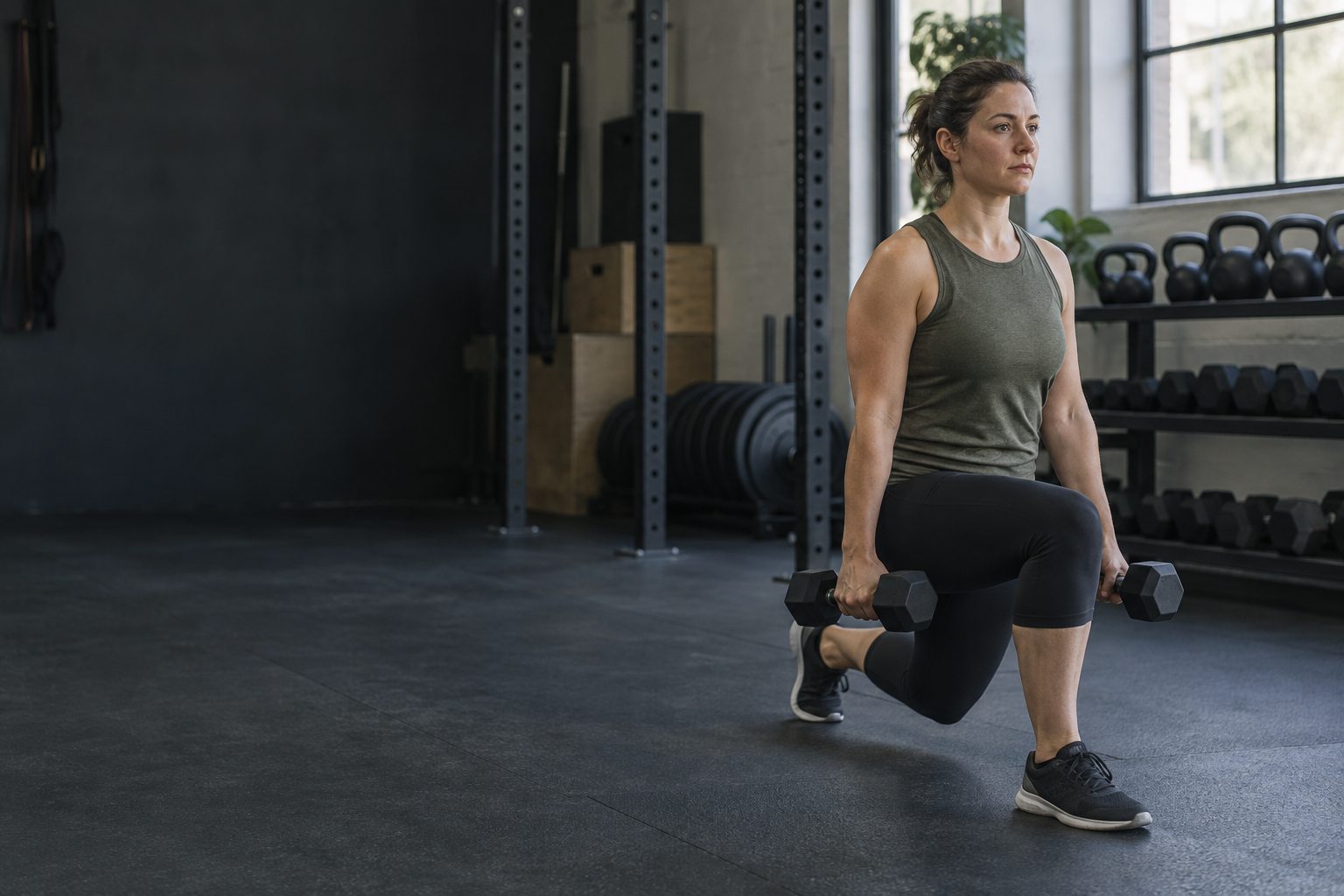
Squats, leg presses, split squats, and lunges train the glutes through a different task while also involving the quads. One well-chosen pattern is usually enough for this role.
For a practical session, treat this as one part of the complete program. Glute training works best when each movement has a clear role and the complete week remains recoverable. Use a manageable load, stop any movement that causes sharp pain, and seek qualified guidance when technique or discomfort is uncertain.
Use Single-Leg Work When Appropriate
Reverse lunges, split squats, step-ups, and single-leg hinges can address side-to-side control. Start with support or reduced load when balance limits the target movement.
Record the variation, setup, repetitions, resistance, and one useful technique note. On the next session, compare like with like before adding volume or changing exercises. FitForgeFlow can keep that plan visible so training time is spent performing rather than repeatedly rebuilding the workout.
Add Abduction Without Overdoing It
One cable, band, or machine abduction movement can provide accessory work. Multiple versions in the same session often repeat the same purpose.
For a practical session, treat this as one part of the complete program. Glute training works best when each movement has a clear role and the complete week remains recoverable. Use a manageable load, stop any movement that causes sharp pain, and seek qualified guidance when technique or discomfort is uncertain.
Avoid Exercise Redundancy
Several bridge variations plus several kickbacks can make the list longer without broadening the training stimulus. Label each exercise by role and remove duplicates.
Record the variation, setup, repetitions, resistance, and one useful technique note. On the next session, compare like with like before adding volume or changing exercises. FitForgeFlow can keep that plan visible so training time is spent performing rather than repeatedly rebuilding the workout.
Track Reps and Load
Record the exercise, setup, load, and repetitions. Progress can mean more controlled reps, a modest load increase, or improved range at the same resistance.
For a practical session, treat this as one part of the complete program. Glute training works best when each movement has a clear role and the complete week remains recoverable. Use a manageable load, stop any movement that causes sharp pain, and seek qualified guidance when technique or discomfort is uncertain.
Let Recovery Shape Volume
Review soreness, performance, and the spacing of lower-body sessions. More sets are not useful when they consistently reduce quality in the next planned workout.
Record the variation, setup, repetitions, resistance, and one useful technique note. On the next session, compare like with like before adding volume or changing exercises. FitForgeFlow can keep that plan visible so training time is spent performing rather than repeatedly rebuilding the workout.
Change Exercises for a Reason
Equipment, comfort, a new training phase, or stalled progress may justify a change. Novelty alone does not make a replacement better.
For a practical session, treat this as one part of the complete program. Glute training works best when each movement has a clear role and the complete week remains recoverable. Use a manageable load, stop any movement that causes sharp pain, and seek qualified guidance when technique or discomfort is uncertain.
Better Usually Means Clearer
A primary hip-extension movement, one squat or lunge, optional unilateral work, and focused accessory training form a complete structure. Keep what works visible and measurable.
Record the variation, setup, repetitions, resistance, and one useful technique note. On the next session, compare like with like before adding volume or changing exercises. FitForgeFlow can keep that plan visible so training time is spent performing rather than repeatedly rebuilding the workout.