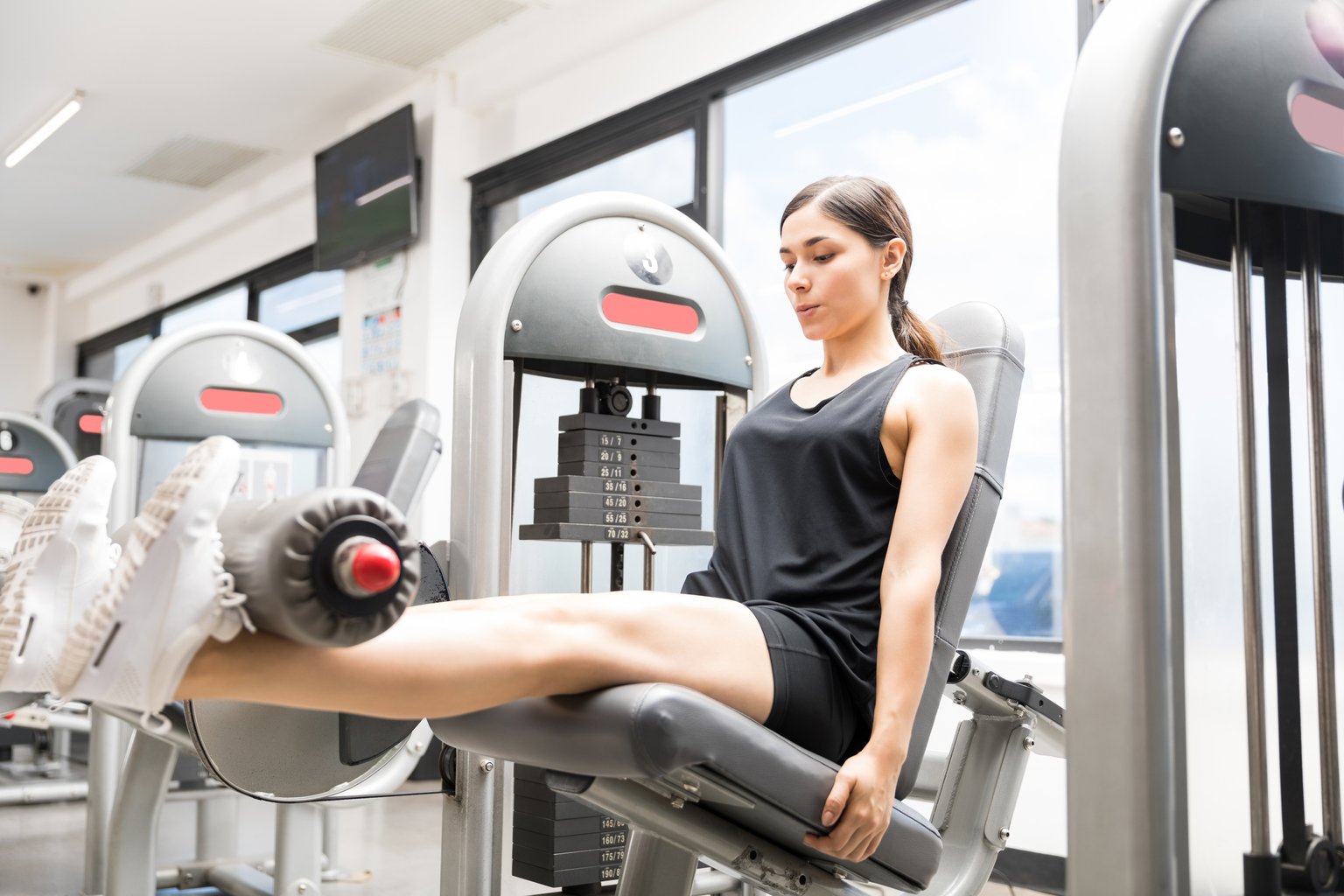
Strong legs are built over months of consistent, controlled training, not a few aggressive sessions.
Learning Movement Patterns First
Before adding meaningful load, it is worth becoming comfortable with the basic lower-body movement patterns: squatting, hinging, and stepping. Learning how these feel with little or no resistance gives you a foundation to build on, rather than trying to learn technique and handle a challenging weight at the same time.
Starting With Manageable Resistance
A conservative starting weight that allows full, controlled range of motion is more valuable early on than a heavier weight that limits your range or compromises your form. There is no rush to load up quickly; consistency with manageable resistance builds the foundation that heavier training later depends on.
Squat Variations
Bodyweight squats, goblet squats, and machine-based squat variations all offer reasonable starting points, each with a different level of complexity and loading. Choosing the variation that lets you move with control is more useful than choosing the one that looks most advanced.
Leg Press or Machine Options
Machines such as the leg press or leg extension can be a comfortable way to build leg strength with a guided movement path, particularly while you are still building confidence and control. They are a legitimate part of a leg-training routine, not just a stepping stone to "real" training.
A lighter weight performed with full control builds more useful strength than a heavier weight performed with a partial range.
Split-Squat and Lunge Progressions
Single-leg and split-stance movements add a balance and stability demand on top of the strength demand. Starting with a stationary split squat before progressing to a walking lunge, for example, is a reasonable way to build toward these more demanding variations gradually.

Building Repetitions and Control Before Load
Increasing your repetitions or improving your control at a given weight is a legitimate form of progress, separate from adding more resistance. Many lifters benefit from spending real time here before moving on to heavier loading.
Adding Resistance Gradually
When you do increase the weight, small, gradual increases tend to be more sustainable than large jumps. A modest increase that still allows good control is more productive long-term than a larger jump that compromises your form.
Allowing Recovery
Leg training, especially squatting and hinging patterns, can be demanding on your body. Giving your legs adequate recovery time between harder sessions supports both your performance and your ability to keep training consistently.
Why Soreness Is Not the Goal
Significant soreness is not evidence that a leg session was effective, and chasing it is not a reliable strategy for progress. Controlled, consistent training over time is a more reliable path to strength than training specifically to maximize how sore you feel afterward.
Why Comparing Yourself to Experienced Lifters Is Unhelpful
Someone squatting significant weight has typically built that capacity over years, not weeks. Comparing your current numbers to theirs does not reflect your actual progress and is rarely a useful measure. Your own trend over time is the comparison that matters.
Common Signs That Progression May Be Happening Too Quickly
Noticeable breakdown in form as weight increases, a shrinking range of motion under load, or persistent excessive fatigue are all reasonable signals that you may be progressing faster than your current level of control supports. Slowing down at these signs is a reasonable, proactive adjustment, not a setback.
The Takeaway
Leg strength is built through consistent, controlled training applied over time, not through rushing to heavier weight before your movement quality is ready for it. Learn the patterns, start manageable, progress gradually, and let the process take the time it takes.
Forge the habit. Find your flow.