The bench press rewards good setup more than almost any other exercise in the gym.
This article covers general setup and execution principles for the barbell bench press. It is not a substitute for in-person coaching, and if you are new to barbell training, having an experienced lifter, trainer, or gym staff member check your first few attempts is a reasonable and common step.
Bench and Rack Setup
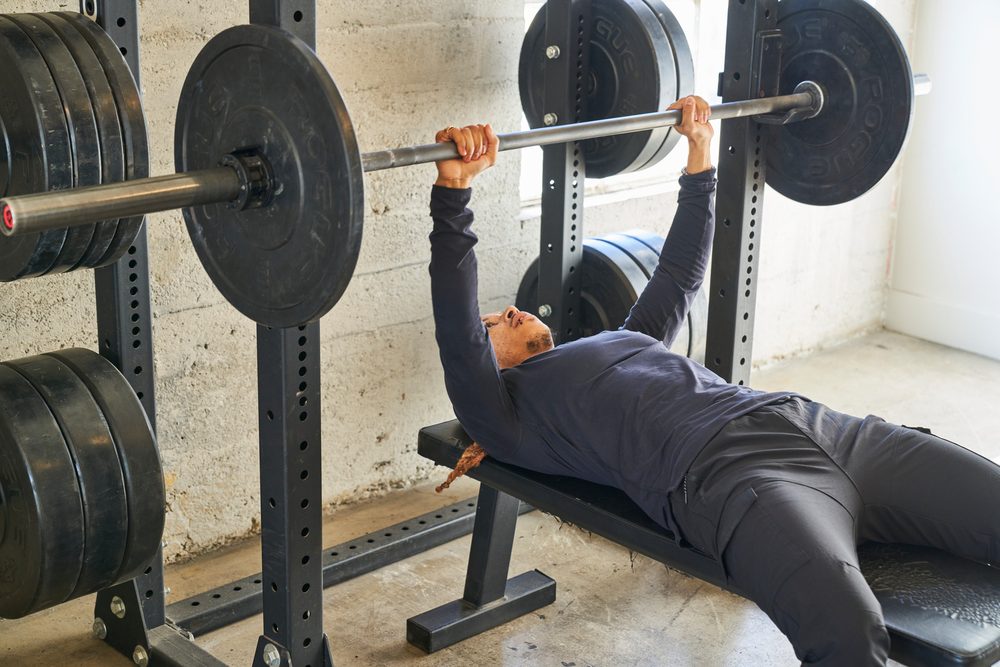
Lie back on the bench so your eyes are roughly under the barbell, which generally makes unracking the bar easier and safer. Confirm the safety bars or spotter arms, if your rack has them, are set to a reasonable height before you begin, especially if you are training without a spotter.
Foot Position
Plant your feet flat on the floor, roughly under or slightly behind your knees. Stable foot contact with the ground helps you maintain a solid, consistent position throughout the lift, rather than leaving your lower body disconnected from the movement.
Grip Considerations
A common starting point is a grip slightly wider than shoulder width, though the ideal width can vary somewhat by individual proportions and comfort. Keeping your wrists in a relatively straight, stacked position under the bar, rather than heavily bent back, tends to feel more stable and comfortable for most people.
Shoulder-Blade Positioning in Plain Language
Before unracking, many lifters find it helpful to gently pull their shoulder blades down and together, creating a small, stable "shelf" on the bench. This is less about a rigid technical requirement and more about giving your shoulders a consistent, supported position to press from.
Unracking the Bar
Unrack the bar with control, moving it directly over your shoulders or upper chest before beginning your first repetition, rather than starting your first rep straight out of the rack. This brief pause gives you a moment to confirm your position feels stable.
Controlled Lowering
Lower the bar at a controlled pace toward your chest, rather than letting it drop quickly. A controlled lowering phase is generally considered an important part of safe, effective bench press technique, giving you more consistent control over where the bar travels.
Pressing
Press the bar back up along a controlled path, generally returning to roughly over your shoulders rather than your face or stomach. Keeping the motion controlled on the way up, rather than bouncing the bar off your chest, is a widely recommended practice for both safety and consistency.
Appropriate Range of Motion
A full, comfortable range of motion, lowering until the bar lightly touches or nearly touches your chest, is generally the target for most lifters, though your own shoulder comfort and mobility should guide how far that comfortably extends. Pain is a signal to adjust your range, not push through it.
Starting Light
If you are new to bench pressing, start with just the empty bar, or an even lighter alternative, and spend your first several sessions building comfort with the setup and movement pattern before adding meaningful weight. There is no rush to load the bar heavily in your first few attempts.
Spotting and Safety Considerations
Training with a spotter, or using a rack's safety bars set to an appropriate height, adds a meaningful layer of safety, particularly as the weight you are using increases. If you are training alone without safety bars available, staying conservative with your loading is a reasonable precaution.
Common Mistakes
Flaring the elbows excessively. Letting the elbows flare very wide can place additional stress on the shoulders for some lifters; a moderate elbow angle is often more comfortable.
Bouncing the bar off the chest. This reduces control and can increase injury risk, even though it can make a rep feel easier to complete.
Lifting the hips off the bench. This generally reduces stability and shifts the mechanics of the lift in ways that are harder to control consistently.
Skipping a proper warm-up set. A lighter warm-up set before your working weight helps confirm your setup feels right before you add load.
Dumbbell or Machine Alternatives
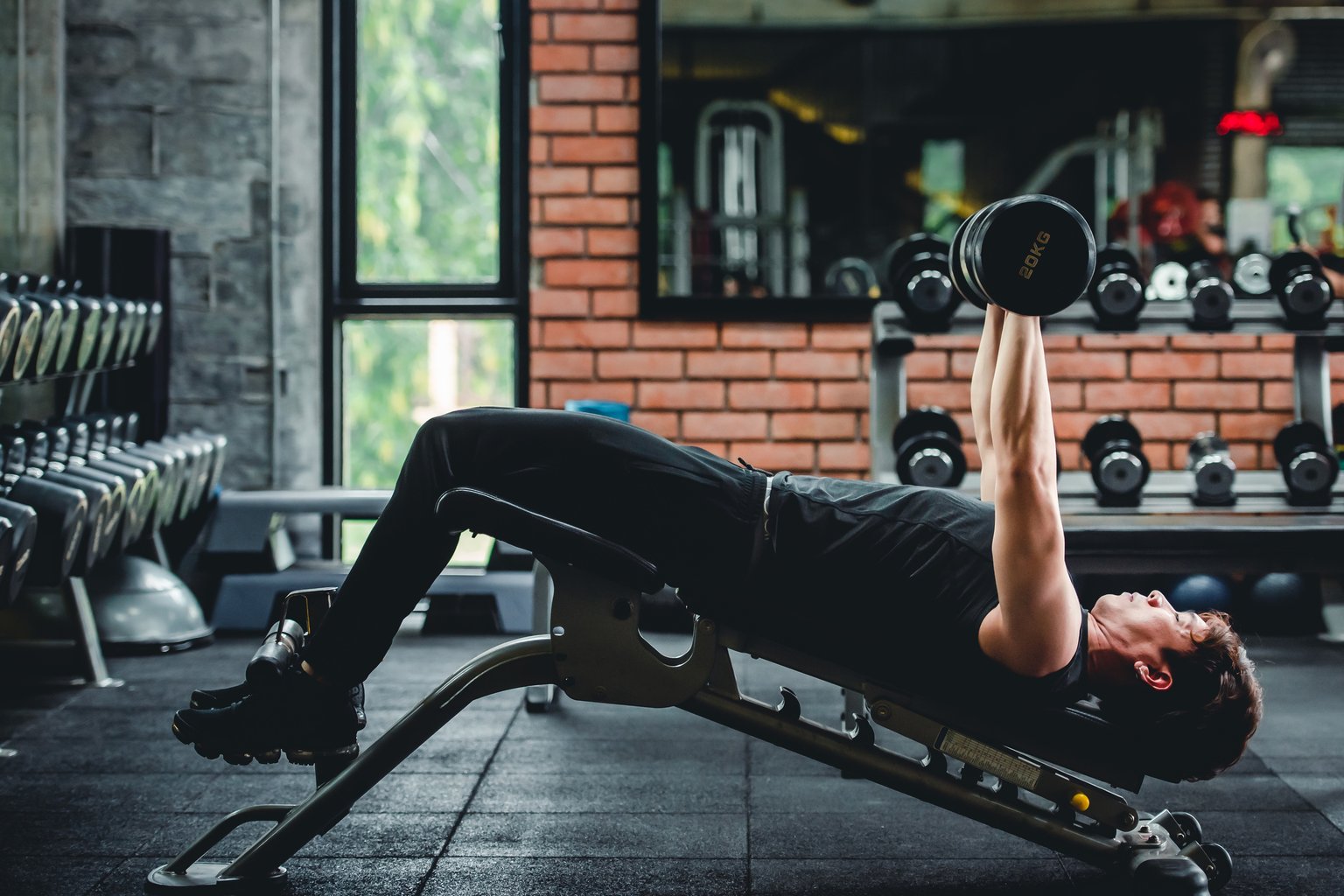
If you are not yet ready for barbell benching, a dumbbell chest press or a chest press machine targets similar muscles with a setup that can feel more approachable, particularly around balance and unracking. Both are completely valid starting points, not lesser versions of the exercise, and many experienced lifters continue to use them as regular parts of their training.
The Takeaway
Good bench press technique comes down to a stable, repeatable setup more than raw strength. Take the time to get your position right, start light, use available safety measures, and build up from there. According to general strength-training guidance from organizations such as the National Strength and Conditioning Association, prioritizing consistent technique before increasing load is a widely supported approach for safe, effective progress.
Stop guessing. Start training.