Learn the major movement patterns in one manageable, repeatable session
Why Full-Body Training Works Well for Beginners
A full-body session lets a beginner practice several foundational patterns without assigning a separate gym day to every body part. Fewer weekly sessions can still provide repeated exposure to the basics.
For a practical session, treat this as one part of the complete program. Full-body training is most useful when movement roles are clear, technique is controlled, and the total session remains manageable. Use a manageable load, stop any movement that causes sharp pain, and seek qualified guidance when technique or discomfort is uncertain.
Cover the Major Movement Patterns
Think in roles: a squat or leg press, a horizontal press, a vertical pull, a row, optional shoulder work, and a core exercise. These roles matter more than collecting specific machines.
Record the variation, setup, repetitions, resistance, and one useful technique note. On the next session, compare like with like before adding volume or changing exercises. FitForgeFlow can keep that plan visible so training time is spent performing rather than repeatedly rebuilding the workout.
A Simple Beginner Full-Body Workout
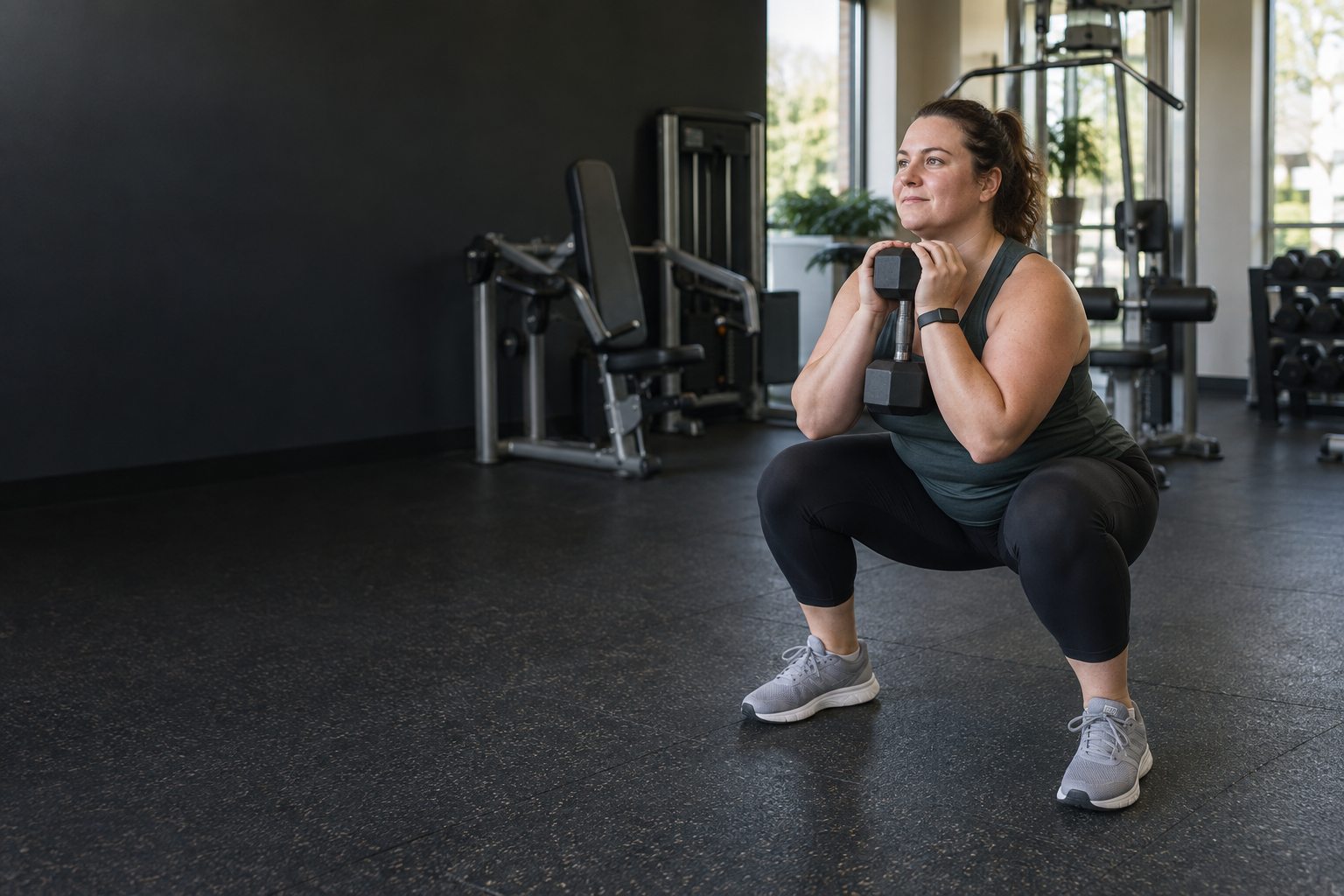
One example is leg press or goblet squat, machine chest press, lat pulldown, seated row, light dumbbell shoulder press, and a dead bug or Pallof press. All six are options, not universal requirements.
For a practical session, treat this as one part of the complete program. Full-body training is most useful when movement roles are clear, technique is controlled, and the total session remains manageable. Use a manageable load, stop any movement that causes sharp pain, and seek qualified guidance when technique or discomfort is uncertain.
How Many Exercises Do You Need?
Four to six purposeful movements can be enough. Remove an exercise when time, recovery, or overlap makes the session too long instead of rushing every set.
Record the variation, setup, repetitions, resistance, and one useful technique note. On the next session, compare like with like before adding volume or changing exercises. FitForgeFlow can keep that plan visible so training time is spent performing rather than repeatedly rebuilding the workout.
How Heavy Should You Go?
Use loads that allow controlled repetitions and leave a few technically sound reps available. Learning setup and range is more important than testing maximum strength.
For a practical session, treat this as one part of the complete program. Full-body training is most useful when movement roles are clear, technique is controlled, and the total session remains manageable. Use a manageable load, stop any movement that causes sharp pain, and seek qualified guidance when technique or discomfort is uncertain.
Rest Between Sets
Rest long enough to repeat stable technique. Larger lower-body and pressing movements may need more time than light accessories, and the timer should guide rather than pressure you.
Record the variation, setup, repetitions, resistance, and one useful technique note. On the next session, compare like with like before adding volume or changing exercises. FitForgeFlow can keep that plan visible so training time is spent performing rather than repeatedly rebuilding the workout.
How Often Can You Train Full Body?
Two or three weekly sessions can be one practical example when recovery and scheduling support it. That is not a prescription; work, sport, experience, and other activity matter.
For a practical session, treat this as one part of the complete program. Full-body training is most useful when movement roles are clear, technique is controlled, and the total session remains manageable. Use a manageable load, stop any movement that causes sharp pain, and seek qualified guidance when technique or discomfort is uncertain.
What If You Are Short on Time?
Keep one lower-body movement, one press, one pull, and brief core work. Prepared alternatives prevent an occupied machine from turning a short session into a search.
Record the variation, setup, repetitions, resistance, and one useful technique note. On the next session, compare like with like before adding volume or changing exercises. FitForgeFlow can keep that plan visible so training time is spent performing rather than repeatedly rebuilding the workout.
When to Move to a Split
A split may help when sessions become too long, more specialization is useful, or additional weekly days fit your life. Beginners do not need to graduate from full-body training on a deadline.
For a practical session, treat this as one part of the complete program. Full-body training is most useful when movement roles are clear, technique is controlled, and the total session remains manageable. Use a manageable load, stop any movement that causes sharp pain, and seek qualified guidance when technique or discomfort is uncertain.
Repeat Before You Reinvent
Save equipment settings, loads, repetitions, and notes. Repeat the structure long enough to improve skill and recognize what genuinely needs to change.
Record the variation, setup, repetitions, resistance, and one useful technique note. On the next session, compare like with like before adding volume or changing exercises. FitForgeFlow can keep that plan visible so training time is spent performing rather than repeatedly rebuilding the workout.