Your training location changes more often than your goals do. Your plan should not have to start over every time.
Choosing Workouts Based on Available Equipment
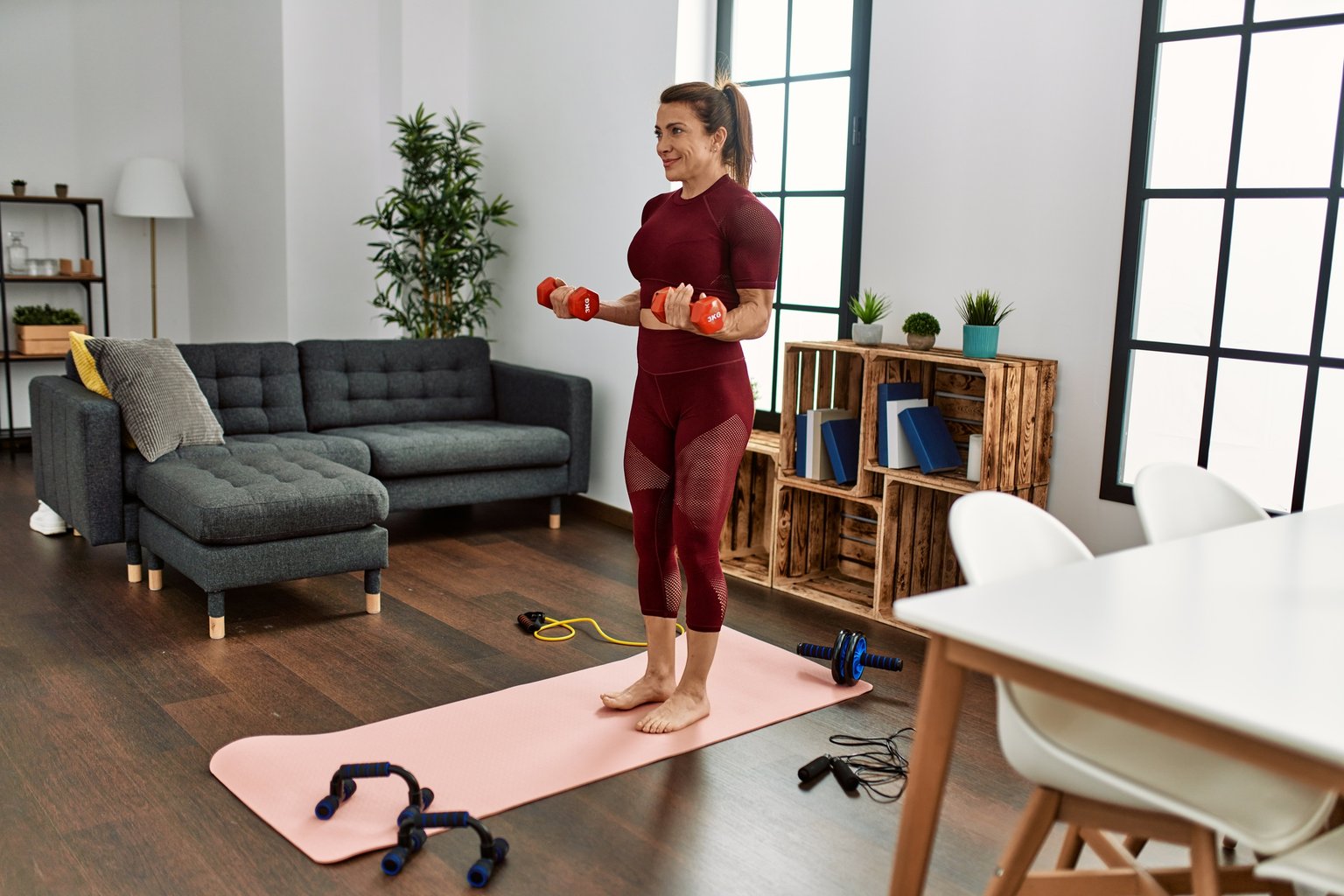
The most practical starting point for any session is not your usual routine, but what is actually in front of you. A full gym with machines and a free-weight area opens up different options than a living room with a pair of dumbbells. Rather than forcing one fixed plan into every environment, choosing a workout suited to what you currently have access to keeps training simple and realistic.
Home vs. Gym: What Actually Changes
Training at home typically means more limited equipment but fewer logistical steps, such as no travel time or waiting for machines. Training at a gym typically means access to a wider range of equipment and heavier loading options, at the cost of travel and potential waiting during busy hours. Neither is inherently better. They are simply different trade-offs that suit different weeks, moods, and schedules.
The best environment to train in is simply the one you have access to today.
Using Dumbbells and Bodyweight When Equipment Is Limited
A smaller set of dumbbells and your own bodyweight can cover most major movement patterns: squats, lunges, presses, rows, and core work are all achievable without a full gym setup. The exercises may look slightly different, but the training stimulus for most goals can still be meaningful with a more limited equipment set.
Using Machines and Free Weights When Available
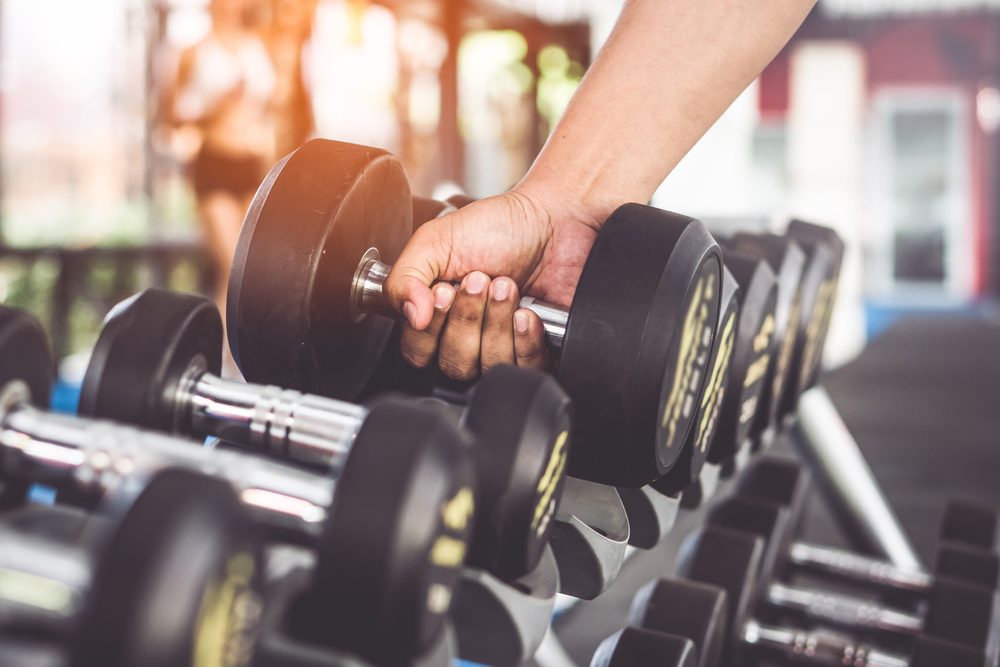
When a full gym is available, machines and a wider range of free weights open up more variety and often make it easier to progress loading in small increments. Taking advantage of that access when you have it, without feeling obligated to replicate a home-style routine at the gym, lets you get more out of the time you spend there.
Making Substitutions Between Environments
If a workout calls for an exercise that is not available in your current setting, choosing a substitute that targets the same movement pattern or muscle group keeps the structure of your plan intact. A leg press at the gym and a goblet squat at home are different exercises, but both can reasonably serve the same role in a leg-focused session.
Keeping Your Workout History Useful Regardless of Location
One of the more practical benefits of logging your training consistently, whether at home or at the gym, is that your history stays useful no matter where your next session happens. Knowing your recent sets, reps, and weights gives you a reference point even when the specific exercise or equipment has changed.
Moving Between Home and Gym Without Feeling Like the Plan Is Ruined
A common source of frustration is feeling like switching locations, say, training at home for a week while traveling, then returning to the gym, derails an otherwise consistent plan. In practice, it does not have to. The goal across both environments is the same: train consistently, using whatever reasonable equipment is available, and let the specific exercises adapt as needed.
Choosing the Simplest Useful Workout for Today's Situation
When you are deciding what to do, resist the urge to find the "ideal" workout for your exact circumstances. A simpler workout that fits your actual equipment and time today is more valuable than a more elaborate plan you cannot fully execute in your current setting.
A Few Practical Scenarios
You usually train at the gym, but the gym is closed today. Choose a bodyweight or light-dumbbell session covering similar movement patterns rather than skipping the day entirely.
You are traveling and only have a hotel room. A bodyweight-focused session, even a brief one, maintains the habit until you are back to your usual setup.
You just joined a gym after training at home. Take advantage of the expanded equipment gradually rather than feeling obligated to overhaul your entire routine on day one.
The Takeaway
Training location is a variable to adapt around, not a reason to pause your progress. Choose workouts that match what you actually have access to, make reasonable substitutions when needed, and let your logged history carry continuity across whatever environment you train in next.
Stop guessing. Start training.