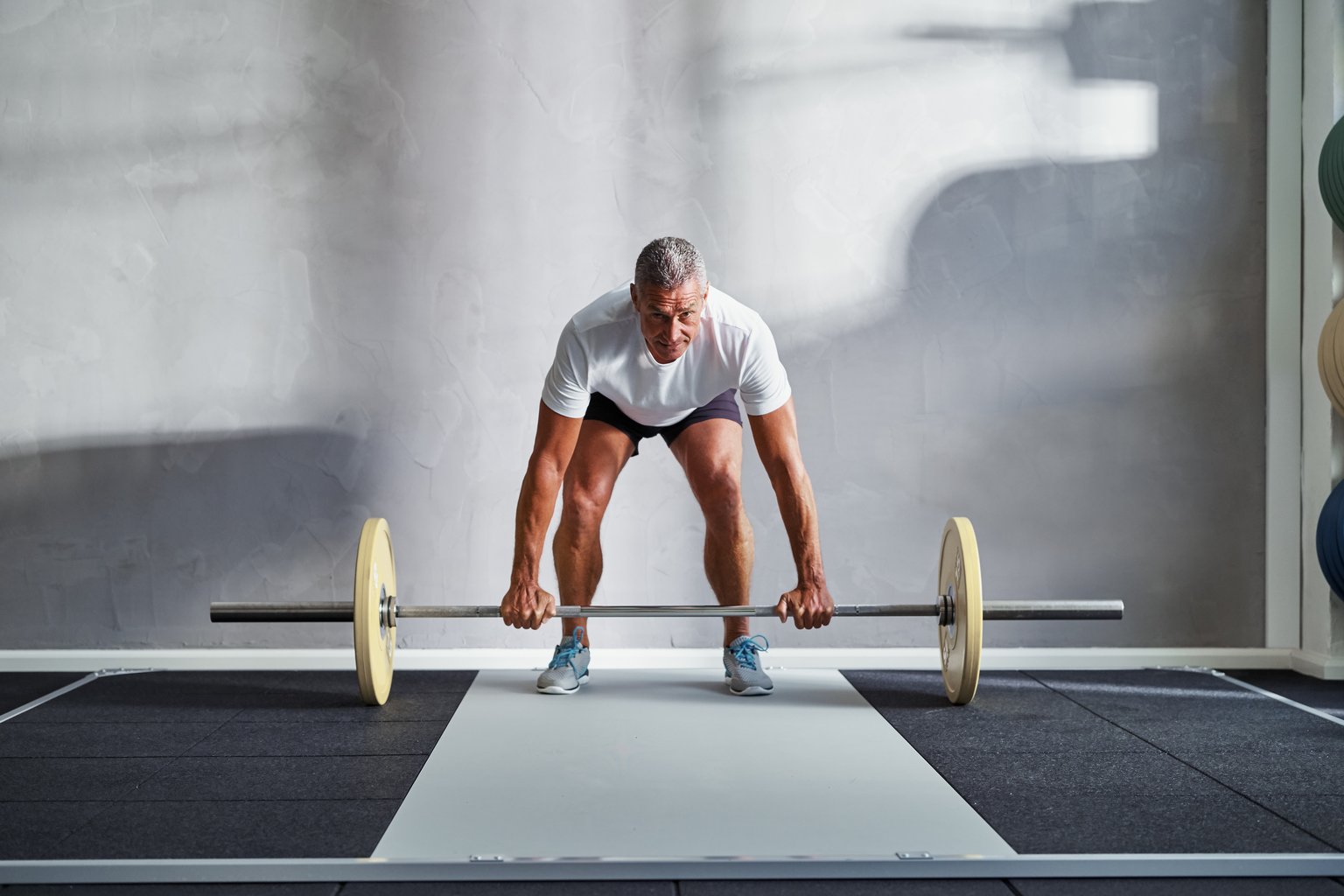
Training by yourself is not the problem. Training without a plan is.
It Is the Plan, Not the Company
A lot of the discomfort people associate with training alone is not really about being alone. It is about not knowing what to do next, standing in front of equipment without a clear idea of what comes first, and feeling like everyone around you knows something you do not. Fix the uncertainty, and training solo stops feeling uncomfortable.
Have a Plan Before You Walk In
Deciding what you are going to do before you arrive removes most of the guesswork that makes solo training feel uncertain. You do not need an elaborate plan. Knowing your first exercise, roughly how many sets you intend to do, and what comes next after that is usually enough to walk in with purpose instead of hesitation.
Knowing your first exercise before you arrive removes most of the uncertainty that makes training alone feel uncomfortable.
Keep the Plan Simple
A long, complicated routine is harder to execute confidently on your own, since there is more to remember and more decisions to make mid-session. A short list of exercises with clear sets and reps is easier to follow and easier to adjust on the fly if something does not go as expected.
Use Exercise Instructions When You Are Unsure
If you are not confident about how to perform a movement, look it up before you attempt it rather than guessing in the moment. FitForgeFlow's exercise library includes instructions for each movement, so you can check the setup and form without needing someone standing next to you to explain it.
Record What You Did
Without a partner to remember details for you or compare notes with afterward, your own log becomes the record of your progress. Noting the exercise, weight, and reps each time means you are not relying on memory, and you always have a reference point for your next session.
Make Substitutions When Equipment Is Unavailable
When training with a partner, it is common to split equipment or simply wait together. Training alone means you need a quick answer when something you planned to use is occupied. Having one or two reasonable substitute exercises in mind for each movement, or using FitForgeFlow to swap an exercise within your workout, keeps you moving instead of standing around waiting.
Ask Gym Staff for Help When It Makes Sense
If you are unsure how a piece of equipment works, or where something is located, asking a staff member is a completely normal and expected part of using a gym. Staff are generally used to these questions and would rather you ask than guess incorrectly with a piece of equipment you are not familiar with.
When a Qualified Professional's Guidance May Help
If you are dealing with a specific technique question, a nagging discomfort during a movement, or you simply want a second set of eyes on your form, a qualified trainer or coach can offer guidance that a written description cannot fully replace. Seeking that kind of input occasionally does not conflict with training independently the rest of the time.
Avoid Comparing Yourself to Experienced Lifters
It is easy to glance around a gym and measure yourself against people who have clearly been training for years. That comparison rarely helps. Everyone training confidently today was once new to it, and the only session that matters for your progress is your own.
Common Mistakes When Training Solo
Showing up without any plan at all. This is the single biggest contributor to feeling lost, more than training alone itself.
Avoiding equipment because you are unsure how to ask about it. A quick question is almost always faster and less awkward than it feels in the moment.
Treating every session as a performance for other people. Nobody is watching as closely as it can feel like they are. Most people at the gym are focused on their own workout.
The Real Takeaway
You do not need a training partner to feel confident at the gym. You need a plan you trust, a way to look things up when you are unsure, and a record of what you have already done. Training alone is simply training with one less variable to coordinate.
Stop guessing. Start training.