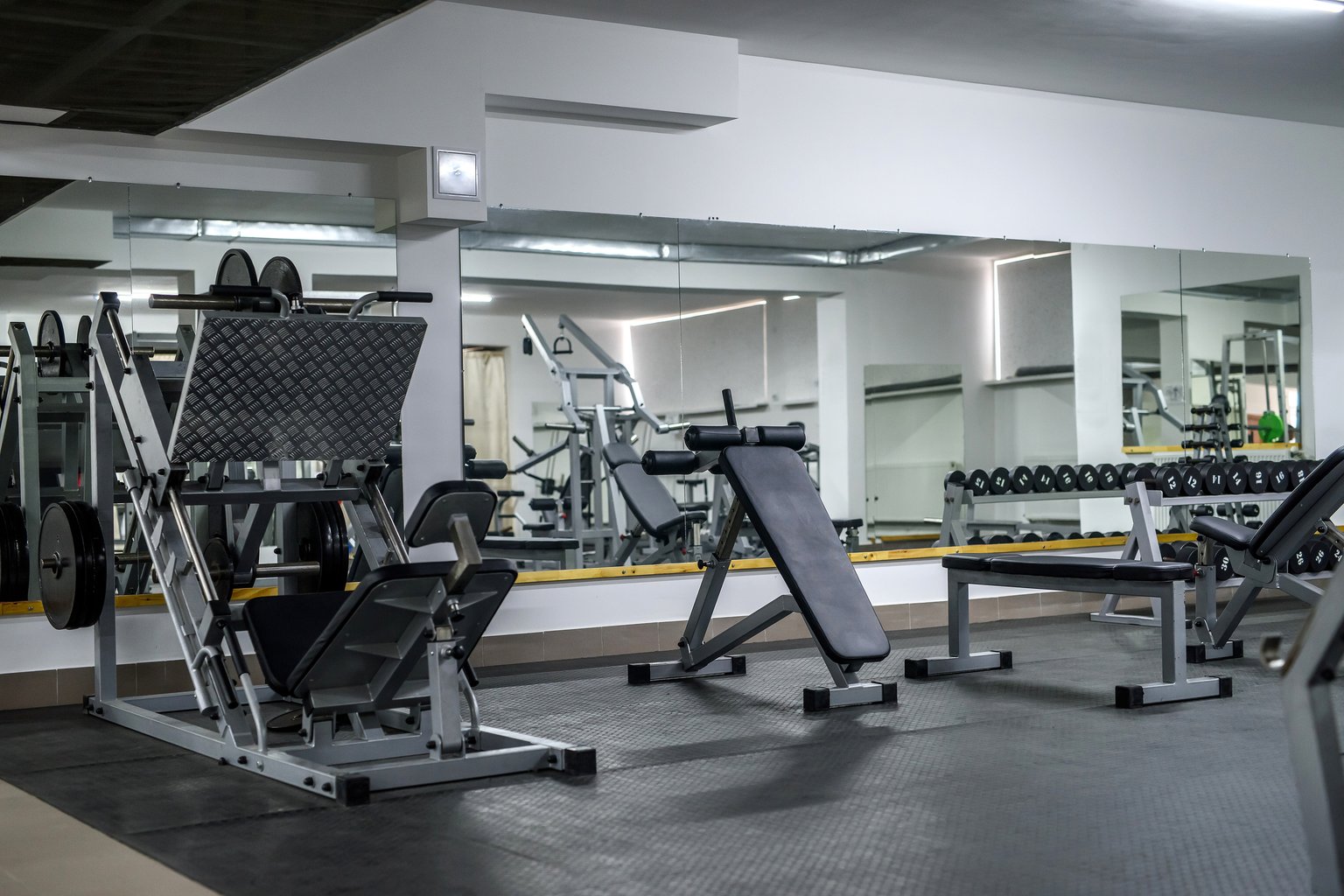
A surprising amount of workout time disappears into walking, searching, and adjusting, not actually training.
Grouping Exercises by Area or Equipment When Appropriate
Organizing your workout so that exercises using similar equipment or located near each other happen in sequence reduces the amount of walking and searching between sets. This is not always possible depending on the workout's structure, but when it is, it meaningfully cuts down on wasted transition time.
Choosing Nearby Equipment When Options Are Similar
If a workout gives you some flexibility in equipment choice, such as which dumbbells rack or which open bench to use, choosing the option closest to your current position saves small amounts of time that add up across a full session.
Small amounts of saved transition time add up to meaningfully more actual training across a session.
Using Dumbbells or a Single Station Efficiently
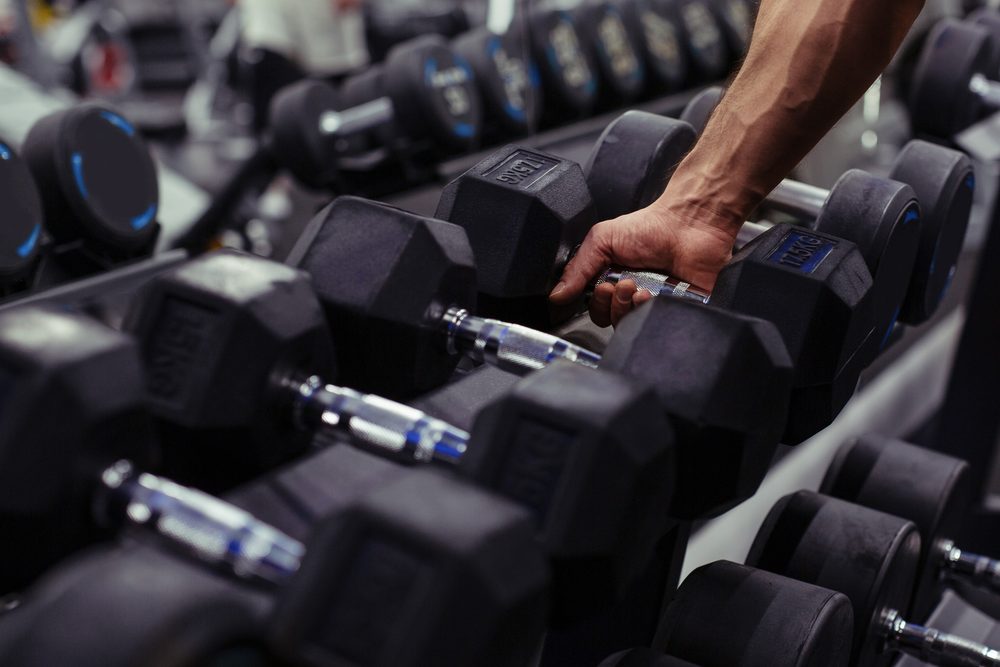
A pair of dumbbells near your working area can often cover multiple exercises in a row without needing to move to new equipment each time. Planning a few dumbbell-based exercises together, when your workout structure allows it, keeps you working from essentially one spot.
Planning Substitutions Ahead of Time
If you already know a particular piece of equipment tends to be busy at your usual training time, deciding on a reasonable substitute before you arrive saves you from scrambling to figure one out mid-workout. A quick mental backup plan removes a source of on-the-spot delay.
Avoiding Unnecessary Exercise Hopping
Changing your mind repeatedly about which exercise to do next, especially mid-workout, adds up to real lost time across a session. Committing to your plan, or to a single reasonable substitution when needed, keeps you moving instead of second-guessing.
Preparing the Next Movement During Rest
Using part of your rest period to mentally or physically prepare for the next exercise, such as adjusting a seat or grabbing the next set of dumbbells, overlaps setup time with time you were already using to recover, rather than adding it on afterward.
When Equipment Efficiency Should Not Override Exercise Quality or Safety
Efficiency is a secondary consideration, not the main goal. If the fastest available option is a poor substitute for the exercise your workout actually calls for, or if rushing a setup would compromise your safety, such as not properly securing a safety bar, it is better to take the extra time to do it correctly. Saving a minute is never worth a meaningfully worse or less safe set.
Example: A Crowded Gym
If your usual equipment is occupied during a busy period, having one or two reasonable substitute exercises in mind, targeting the same muscle group, lets you keep moving instead of standing around waiting or wandering the floor trying to decide on the spot.
Example: A Home Workout
At home, setup time is less about walking and more about switching between limited equipment, such as one pair of dumbbells for several different exercises. Sequencing your workout so that exercises using the same equipment happen back to back, when the structure allows it, minimizes the back-and-forth.
How FitForgeFlow Helps Reduce Transition Time
A clear workout plan with substitutions already considered removes a lot of the on-the-spot decision-making that eats into your session. Rather than figuring out a backup exercise while standing in front of occupied equipment, you can make that swap directly in the app and keep moving.
A Note on Courtesy
Reducing your own setup time is not the same as monopolizing multiple pieces of equipment at once to avoid moving between them. Holding onto several machines or benches simultaneously during a busy period limits what is available to other gym members. Efficiency within your own session should not come at the expense of sharing the space considerately.
The Takeaway
Reducing setup time between exercises comes down to planning ahead, grouping what you reasonably can, and avoiding unnecessary back-and-forth, while still prioritizing exercise quality and safety over speed. Small adjustments to how you move through a session add up to noticeably more actual training time.
Less Tapping. More Training.