
A bit of preparation turns an intimidating first session into a manageable one.
What to Wear
Comfortable, breathable clothing that allows a full range of motion is all you need. Closed-toe athletic shoes with reasonable support are generally the safest footwear choice for most strength-training exercises. You do not need specialized or expensive gear for your first session.
What to Bring
A water bottle, a small towel, and your phone if you plan to log your workout or follow along with an app cover most of what you will need. Some gyms also require a lock for a locker, so it is worth checking your specific facility's policies ahead of time.
Choosing a Simple Workout
Your first session does not need to be elaborate. A short, beginner-labeled workout covering a few basic movement patterns is a completely appropriate starting point, and a far more realistic goal than an ambitious, lengthy program.
Your first session's goal is not a great workout. It is simply becoming a person who shows up.
Learning Only a Few Exercises
You do not need to understand every machine or movement in the building before you start. Learning three to five exercises well is a far more productive use of your first session than trying to sample everything available.
Starting Light
Choose a conservative weight for each exercise, prioritizing learning the movement pattern over challenging yourself. There will be plenty of time to increase the load once the movements feel familiar.
Warm-Up Basics
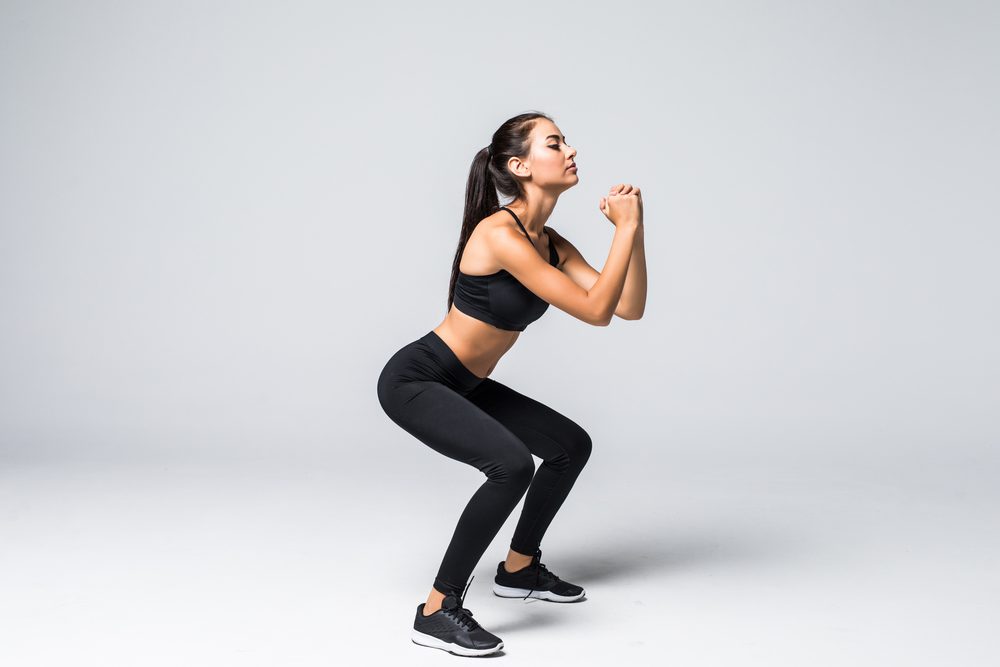
A few minutes of light, general movement, such as walking or gentle dynamic stretches, is enough to prepare your body for a beginner-level session. You do not need an elaborate warm-up routine for your first workout.
Sets, Reps, and Rest at a Beginner Level
A reasonable starting structure is two to three sets of each exercise, in a rep range of roughly 8 to 15, with about 60 to 90 seconds of rest between sets. This is a general starting point, not a strict rule, and your specific workout's numbers are a fine guide to follow.
Allowing Time to Learn the Equipment
Figuring out how a machine adjusts or how a piece of equipment works takes a bit longer the first time. Build in some extra time for your first session to account for this, rather than expecting it to move as quickly as a routine you already know well.
Asking Staff for Help
If you are unsure how something works, asking a staff member is a completely normal part of your first visit. Most staff expect and welcome these questions from new members.
Avoiding Comparison
It is easy to compare yourself to people who have clearly been training for a long time. That comparison is not useful on your first day. The only relevant measure for session one is whether you showed up and completed a reasonable version of your workout.
What Success Means for Session One
Success on your first day is not a personal best or flawless technique. It is simply completing a reasonable session, learning a handful of movements, and leaving with a slightly better sense of what to expect next time. That is enough.
A Few Quick Questions
Do I need to hire a trainer for my first session? Not necessarily. A simple, clearly structured beginner workout is a completely valid way to start on your own, though a trainer can be a helpful option if you want more guidance.
What if I cannot complete every exercise? That is a normal part of a first session. Do what you can with good form and build from there.
How sore should I expect to be afterward? Some mild soreness in the day or two following your first session is common and not a cause for concern, though sharp or severe pain is a reasonable signal to check in with a qualified professional.
The Takeaway
Preparing for your first strength-training session is mostly about lowering the stakes: comfortable clothes, a simple workout, a few learned movements, and a willingness to ask questions. The rest of your training will build from there.
Stop guessing. Start training.